Chaos Has a Pattern
Before-and-after clarity for multi-phase construction sites
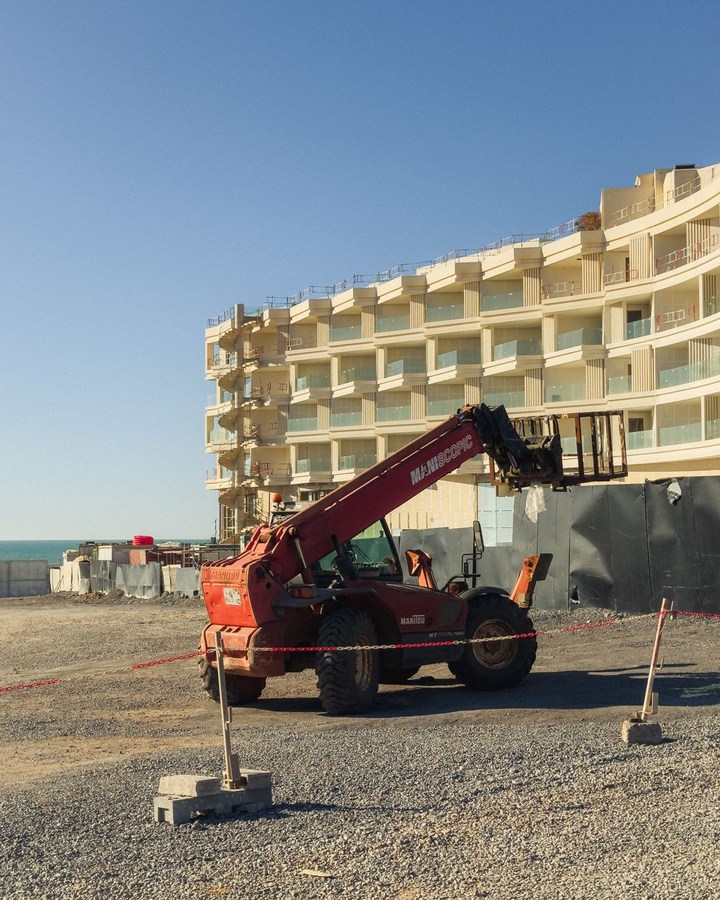
Every construction site tells a story through its debris. SiteLogic reads that story—identifying contamination sources, material stratification, and removal priorities that others miss. We transform visual chaos into diagnostic clarity, then into phase-specific cleanup sequences backed by transparent reasoning and documented outcomes.
Your project timeline depends on understanding what's actually on-site before mobilizing crews. We diagnose first, advise second, and document every step so you move forward with confidence and compliance.
Symptom Recognition
Dust patterns, debris types, surface vulnerability—decoded
Construction contamination follows predictable sequences. Dust patterns reveal barrier failures; debris stratification shows trade sequence violations; surface damage indicates protection timing errors. By recognizing these visible symptoms, we translate chaos into diagnostic pathways that guide targeted intervention at each phase.
Every site tells a story through its contamination profile. Paint overspray concentration, drywall dust accumulation, and fixture damage patterns all point to specific root causes—and therefore specific remediation sequences that prevent costly rework and schedule delays.
Dust Containment Failure
Barrier seals broken at corners and door frames allow fine particles to migrate across zones, contaminating finished surfaces and mechanical systems.
Trade Sequence Violation
Wet trades preceding dust-generating work deposit moisture that binds particles, creating stubborn residue on flooring and fixtures requiring aggressive recovery.
Surface Vulnerability
Unsealed wood, unprotected tile grout, and exposed mechanical components absorb contamination, requiring material-specific recovery techniques rather than generic cleaning.
Phase-Specific Cleanup Frameworks
Rough-in, mid-phase, and final stage protocols with reasoning chains
Rough-In Phase
Establish containment barriers before structural work begins. Seal HVAC returns, isolate mechanical spaces, and deploy dust collection at source points.
- Barrier installation at zone boundaries
- HEPA filtration for concrete cutting
- Daily debris removal protocols
Mid-Phase Coordination
Manage trade sequence to prevent wet-then-dusty contamination cycles. Schedule damp-down periods before sanding and finishing work to lock particles in place.
- Trade schedule verification
- Moisture management between phases
- Equipment protection placement
Final Stage Recovery
Deploy material-specific cleaning techniques grounded in surface science. Hardwood requires different recovery than tile; mechanical systems need isolation-specific protocols.
- Surface-specific cleaning sequences
- Fixture and equipment restoration
- Final inspection and verification

Troubleshooting by Contamination Type
Paint overspray on hardwood. Drywall dust in tile grout. Fixture protection during sanding.
Diagnosis & Correction
Overspray occurs when spray application happens without adequate containment or when wind patterns redirect atomized paint beyond intended surfaces. Hardwood absorbs paint particles into grain, requiring solvent-based recovery rather than mechanical abrasion.
Correction: Apply mineral spirits to affected grain, allow penetration time, then use soft-bristle brushing followed by finish restoration. Mechanical sanding risks permanent surface damage.
Diagnosis & Correction
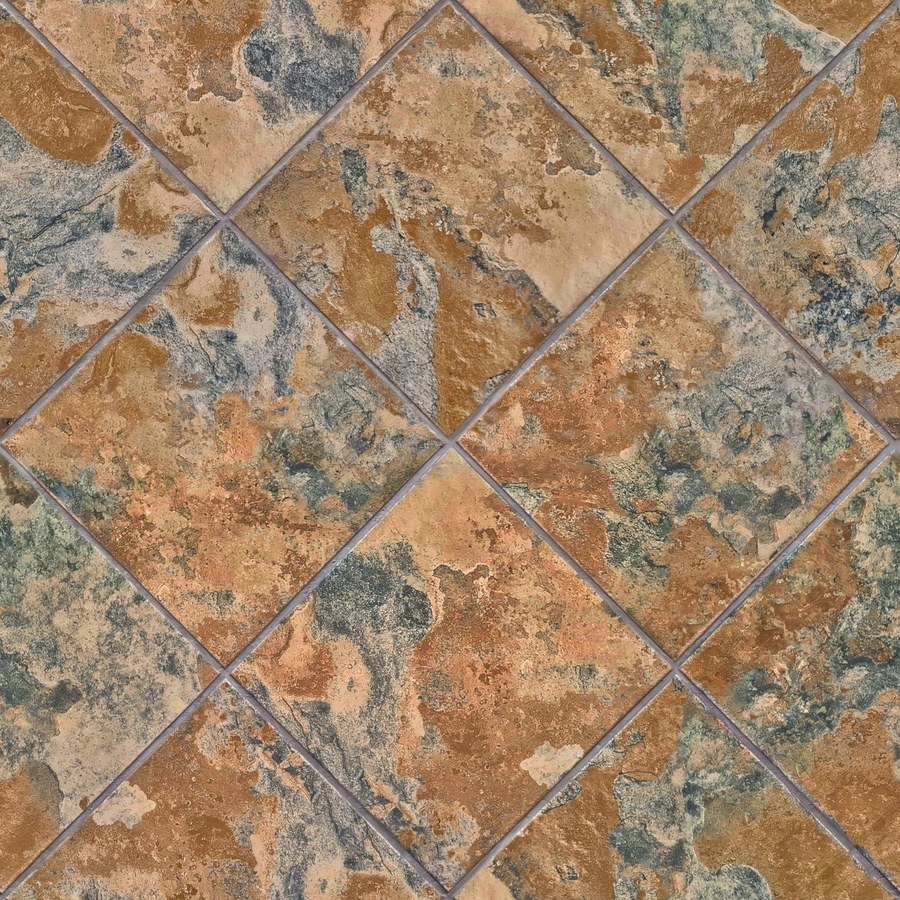
Drywall sanding generates ultra-fine particles that penetrate unsealed grout lines, creating a cement-like bond that resists standard cleaning. This occurs when drywall finishing precedes tile grouting or when grout remains unsealed during dusty trades.
Correction: Use grout-specific extraction equipment with controlled moisture to soften particles, then mechanical removal. Prevent by sealing grout lines before dusty work phases.
Diagnosis & Correction
Unprotected light fixtures, outlet covers, and mechanical vents accumulate fine sanding dust that damages finishes and clogs mechanical components. Dust settles into crevices and requires disassembly for complete recovery.
Correction: Remove fixtures before sanding, clean individually with compressed air and soft brushes, then reinstall. Protective covers during work prevent this entirely.
Diagnosis & Correction
Wet trades (painting, staining) followed immediately by HVAC operation distribute moisture-bound particles throughout ductwork, creating mold risk and system contamination that spreads across the entire building.
Correction: Isolate HVAC during wet trades, allow drying time, then run system with temporary filtration before final commissioning. Verify duct cleanliness with camera inspection.
Transparent Problem-Solving
Real site documentation showing diagnosis, intervention, and outcome
Lyon Office Complex
14Days Saved
Dust containment failure at mechanical chase required complete HVAC system cleaning. Early diagnosis prevented system commissioning delay. Intervention: sealed barrier gaps, deployed HEPA filtration, verified duct cleanliness before system startup.
Residential Renovation
92%Cost Reduction
Paint overspray on hardwood flooring diagnosed as grain-embedded particles. Solvent-based recovery prevented full floor refinishing. Targeted intervention: mineral spirits application, soft-bristle grain cleaning, finish restoration without sanding.
Mixed-Use Development
3Phases Coordinated
Trade sequence violation created drywall dust in tile grout across 2,400 square meters. Diagnosis revealed unsealed grout lines during sanding phase. Correction: grout extraction equipment, mechanical removal, preventive sealing protocol for remaining phases.
Commercial Fit-Out
100%Verification Pass
Fixture protection during sanding prevented mechanical system contamination. Systematic removal, individual cleaning, and reinstallation ensured zero dust infiltration. Final inspection confirmed clean ductwork and operational readiness without remediation.
Start Your Diagnostic
Describe your site condition. We'll outline a phase-specific cleanup sequence tailored to your project stage, contamination profile, and trade schedule. Submit your site details below and receive a diagnostic framework within 24 hours.